Choosing Medical Billing Software for a Small Practice in Maryland’s Complex Billing Environment
The medical billing software question comes up early for any Maryland practice setting up billing for the first time, and it comes up again when an existing practice realizes its current software is not handling the specific requirements of Maryland’s billing environment well. There is no single software platform that is the right answer for every Maryland practice. The right software for a behavioral health practice in Howard County billing weekly therapy sessions through Carelon’s Medicaid system looks different from the right software for a cardiology practice in Montgomery County managing diagnostic procedure billing across dozens of FEHB plan options. This guide outlines what Maryland practices should look for in billing software and where software reaches its limits as a substitute for billing expertise.
What Medical Billing Software Actually Does
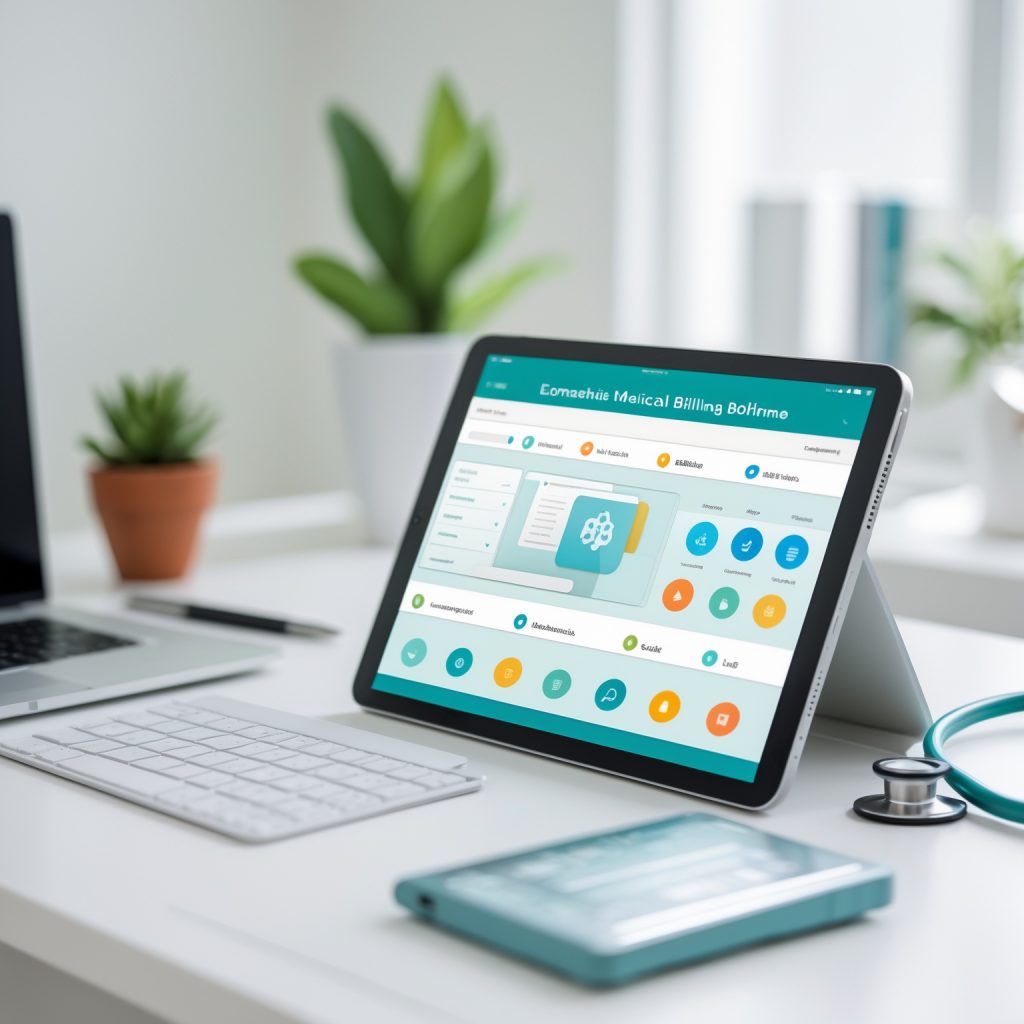
Medical billing software manages the administrative side of the billing cycle: creating and submitting claims electronically, tracking claim status, recording payments, generating patient statements, and producing billing reports. Many platforms also include electronic health record functionality, scheduling, and patient communication tools built alongside the billing module.
For a small Maryland practice, the billing software is only as useful as the billing process built around it. Software configured incorrectly for the practice’s specialty or payer mix produces systematic billing errors across every claim generated. Software used correctly reduces the manual data entry involved in billing without replacing the billing judgment that determines whether a claim is ready to submit.
Key Features Maryland Practices Should Evaluate
When evaluating billing software for a Maryland practice, several features matter more here than in other states:
Carelon and Maryland Medicaid compatibility. Behavioral health practices billing Maryland Medicaid patients through Carelon need software that can submit claims to Carelon’s system correctly, handle Carelon-specific authorization tracking, and produce the remittance posting required for Carelon payments. Not all general billing software platforms handle Carelon’s administrative structure without additional configuration.
Behavioral health-specific billing modules. Practices billing psychotherapy session length codes, psychiatric E&M codes, and combination codes for therapy plus medication management need a billing platform that supports these code types natively rather than through workarounds in a general medical billing module.
EHR integration and superbill generation. Most small Maryland practices use their billing software alongside an electronic health record system. The quality of the integration between the two, specifically whether the EHR’s clinical documentation flows cleanly into billing-ready claims, affects how much manual correction is required before claims can be submitted.
Maryland Medicaid ePREP compatibility. Practices enrolling new providers in Maryland Medicaid through ePREP should confirm that their billing software supports the NPI and taxonomy code configurations required for Maryland Medicaid billing.
Reporting by payer type. Maryland practices dealing with payer diversity, whether FEHB plan diversity in Montgomery County or Medicaid versus commercial splits in Baltimore City, need billing reports that break down denial rates and payment performance by individual payer rather than showing only aggregate totals.
Software Platforms Commonly Used by Maryland Small Practices
Several platforms are commonly used by small Maryland healthcare and behavioral health practices. Each has strengths and limitations:
TherapyNotes is widely used by behavioral health practices for its therapy-specific EHR and billing features, including session-based billing and insurance tracking.
SimplePractice is another behavioral health platform with integrated billing, popular with solo and small group therapy practices for its scheduling and clinical note integration.
Kareo/Tebra serves a broader range of small medical practices and includes billing features across multiple specialties.
AdvancedMD and Athenahealth serve mid-sized practices with more complex billing needs.
DrChrono and Jane App serve smaller practices looking for integrated EHR and billing.
The decision among these platforms should be based on the practice’s specific specialty, billing volume, payer mix, and budget rather than on software reviews that do not account for Maryland’s specific billing environment.
Where Software Reaches Its Limits for Maryland Practices
Billing software manages claim creation and submission. It does not manage Carelon authorization tracking proactively. It does not investigate the root cause of a denial beyond what the payer’s denial code says. It does not initiate retroactive authorization requests with Carelon when a claim is denied for authorization reasons. It does not track whether a new provider’s ePREP enrollment is complete before claims are submitted under their NPI.
For small Maryland practices where these functions fall to the same person who also runs the front desk, software provides important administrative support but does not replace the billing expertise and daily attention that reduces denial rates and keeps the revenue cycle current.
When Outsourced Billing Makes More Sense Than Adding Software
A small behavioral health practice in Bel Air or Columbia that is currently using billing software and still experiencing high Carelon denial rates, authorization-related revenue loss, or growing accounts receivable is experiencing a billing process problem, not a software problem. Adding more sophisticated billing software to a process that is not generating clean claims does not fix the underlying issues.
For these practices, outsourced billing with a partner who manages Carelon authorization, ICD-10 specificity review, denial management, and monthly reporting as a connected function often produces better financial outcomes than upgrading software while keeping the same internal process.
Maryland Medical Billers charges 6 to 8 percent of collected revenue for outsourced billing services, contingent on successful collection. This rate is comparable to or below the staff cost and software cost of managing billing internally for most small practices.
Maryland Practice Billing Resources
- Medical Billing Services Maryland
- Medical Billing Outsourcing Benefits Maryland
- Cost of Medical Billing Services Maryland
- Billing for Therapists and Counselors in Baltimore MD
- Billing for Group Therapy Practices in Baltimore MD
- Revenue Cycle Management Maryland
Frequently Asked Questions
What billing software is best for a small behavioral health practice in Maryland? There is no single best option. Behavioral health-specific platforms like TherapyNotes and SimplePractice are widely used in Maryland for their therapy and psychiatric billing support. The right choice depends on the practice’s specialty, payer mix, budget, and whether Carelon and Maryland Medicaid compatibility are required.
Does billing software handle Carelon authorization for Maryland Medicaid patients? Most billing software platforms do not natively manage Carelon Behavioral Health of Maryland’s authorization process proactively. Software can record authorization information that staff enter manually, but the tracking, expiration alerts, and renewal initiation that prevent Carelon denials typically require active human management of the authorization calendar.
Is outsourced billing cheaper than billing software plus in-house staff in Maryland? For many small Maryland practices, yes. The fee for outsourced billing at 6 to 8 percent of collections is often comparable to or below the combined cost of billing software, staff time devoted to billing, denial rework, and uncollected revenue from claims that do not receive adequate follow-up.
What should Maryland practices look for in billing software for Medicaid patients? Maryland practices billing Medicaid patients should confirm that the software supports Maryland Medicaid ePREP enrollment NPI configurations, can submit claims to Carelon’s system correctly for behavioral health Medicaid patients, and produces the correct remittance posting format for Carelon payments.
Related Resources
- In-House vs Outsourced Medical Billing: A Cost Analysis for Baltimore Clinics
- Medical Coding Maryland
- How to Reduce Denied Claims in Maryland Medical Billing
- Browse Billing Terms in Our Glossary
- Review Frequently Asked Billing Questions
- Read More on Our Blog
- Learn More About Our Team
- See Our Full List of Services
- Additional Information
- Get Started
Contact Us
Call (410) 874-0176 today to schedule a billing review for your practice.
Supporting Maryland Communities Through Local Sponsorship
Maryland Medical Billers is a proud sponsor of community events throughout the state of Maryland. As your local medical billing specialists, we believe in giving back to the communities we serve, including Baltimore City, Baltimore County, Anne Arundel County, and Howard County, along with surrounding areas.
Our Maryland Community Commitment
From Baltimore summer festivals to local charity fundraisers, we actively support events that bring Maryland families together. Funding goes toward school programs, community celebrations, and neighborhood improvement initiatives that strengthen our region.
Discover Local Events
Looking for family-friendly activities in Maryland? Visit Maryland Free Events for listings of sponsored gatherings, festivals, and activities throughout the state.
Choosing Maryland Medical Billers for your billing needs means supporting a local business that reinvests in Maryland communities. Contact us today or call (410) 874-0176 to learn more about our expert medical billing services.
Home | About Us | Services | FAQs | Contact Us | Service Areas | More Info